The High Line Bat Study - Chelsea, Manhattan
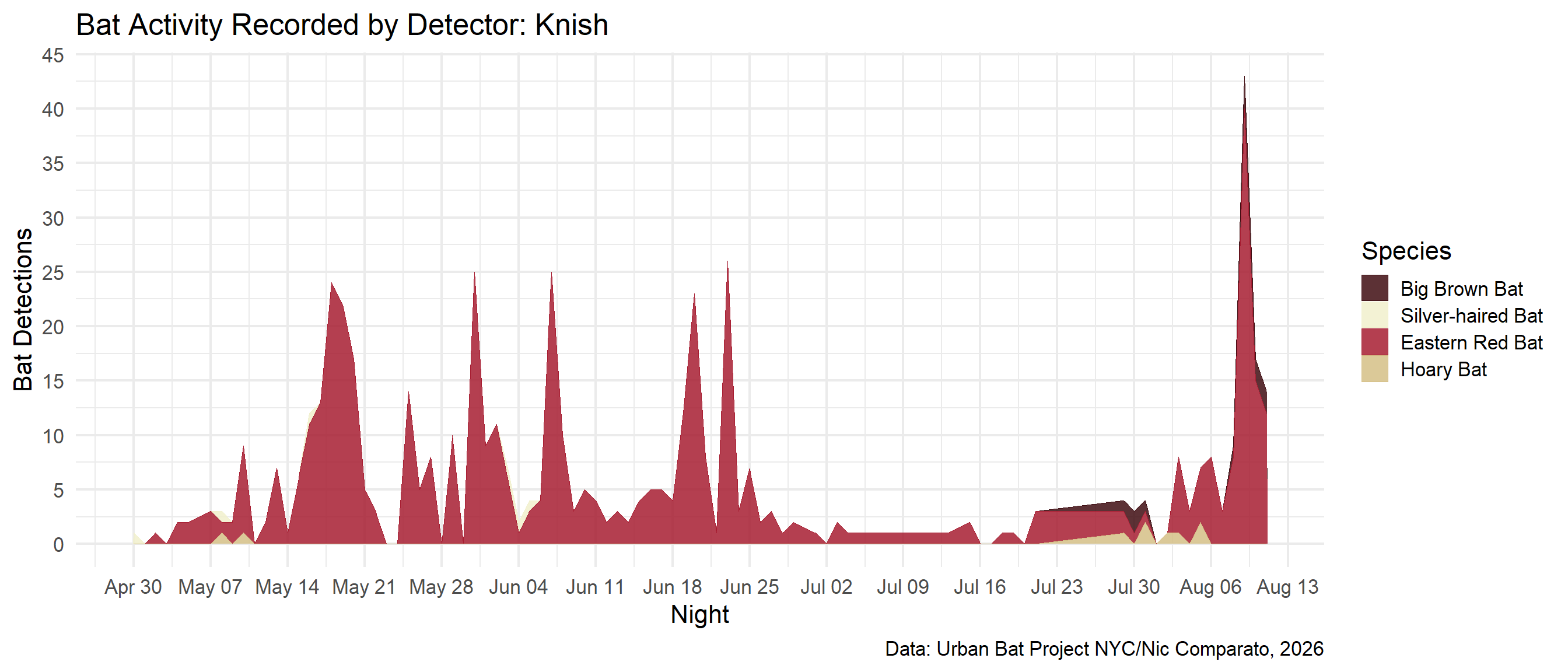
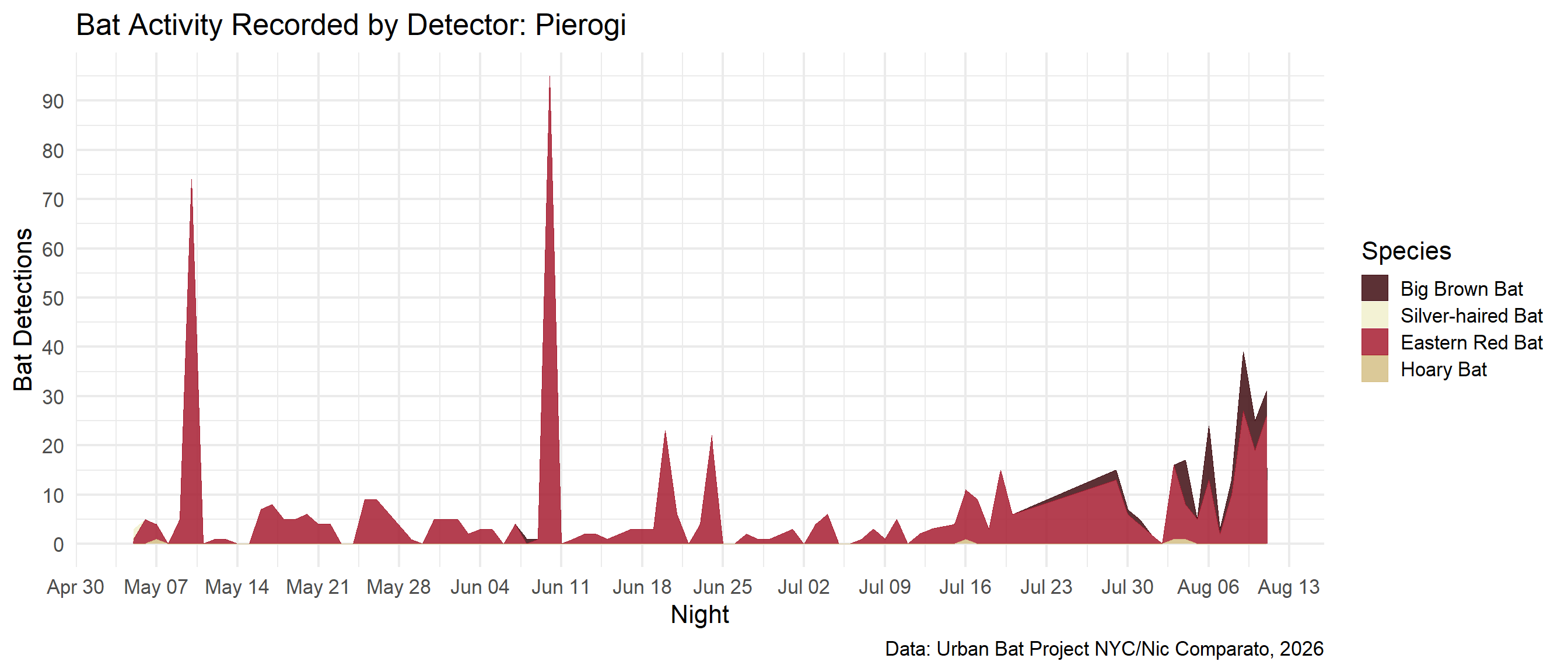
The graphs below display bat activity recorded along the High Line in Manhattan this summer. We currently have four bat detectors on the High Line that move every week, an approach that allows us to assess differences in bat activity between different sections of the park. If you compare the two graphs from detectors Pierogi and Knish, you can see that bat activity varies quite a bit along the park.
This data was last updated August 12, 2026. The graph displays the survey nights in chronological order from left to right (x-axis) and and the number of bats detected each night are represented by the vertical peaks and valleys (y-axis).
The Flexibility of Eastern Red Bats: A Developing Picture
Over the course of our study we have detected all four of NYC’s common bat species on the High Line, but activity is dominated by the eastern red bat (Lasiurus borealis). This species is highly tolerant of artificial light, noise, and other aspect of the urban environment that can deter other bats. This likely explains why this species is willing to brave the High Line’s busy surroundings to reach the valuable roosting and foraging habitat the park offers, but we still have much to learn. This research is revealing new information about the eastern red bat and how flexible their habitat preferences really are.
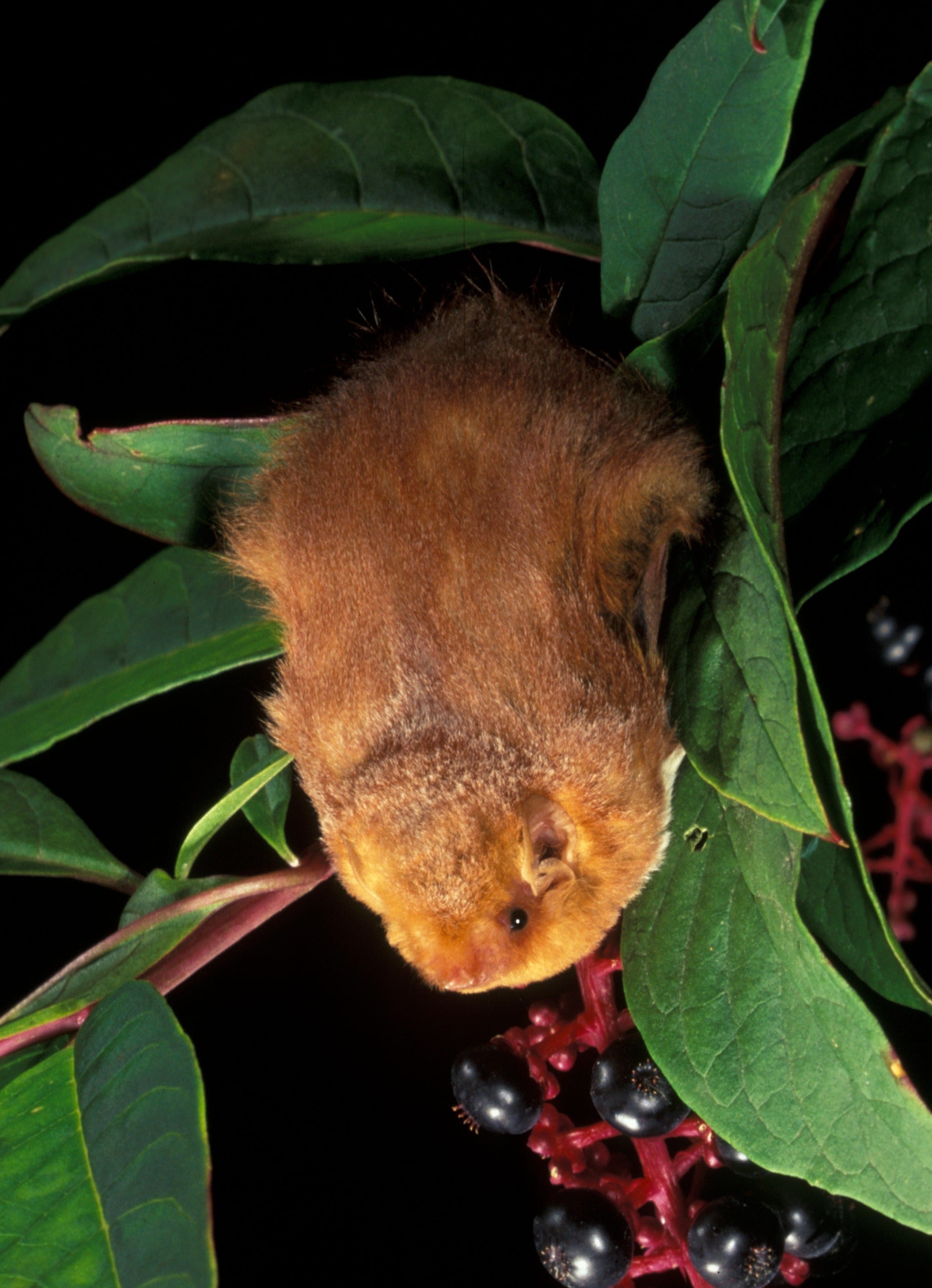
Eastern Red Bat
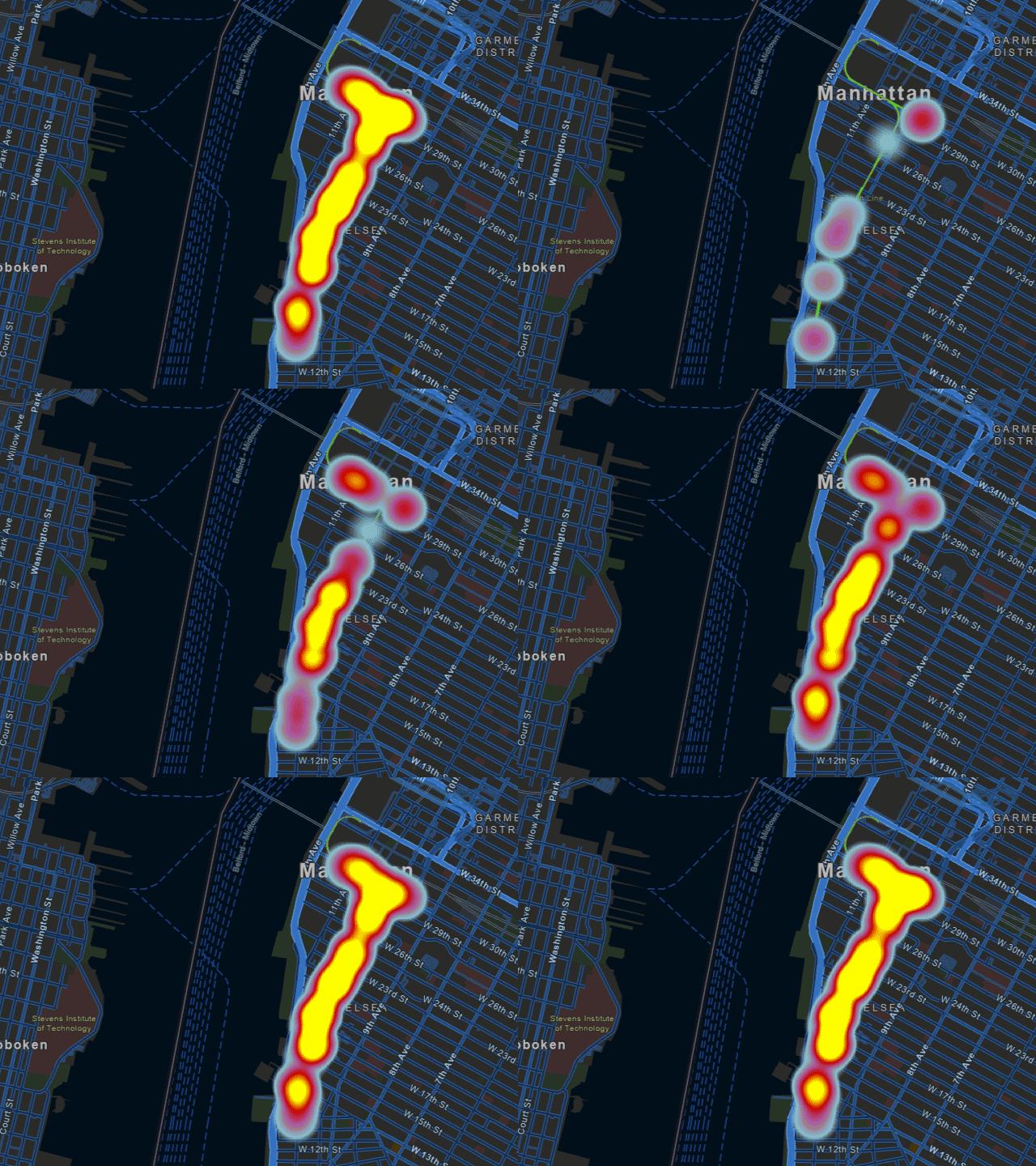
Red bat activity developing along the High Line this summer
Why are the Detectors named after food?
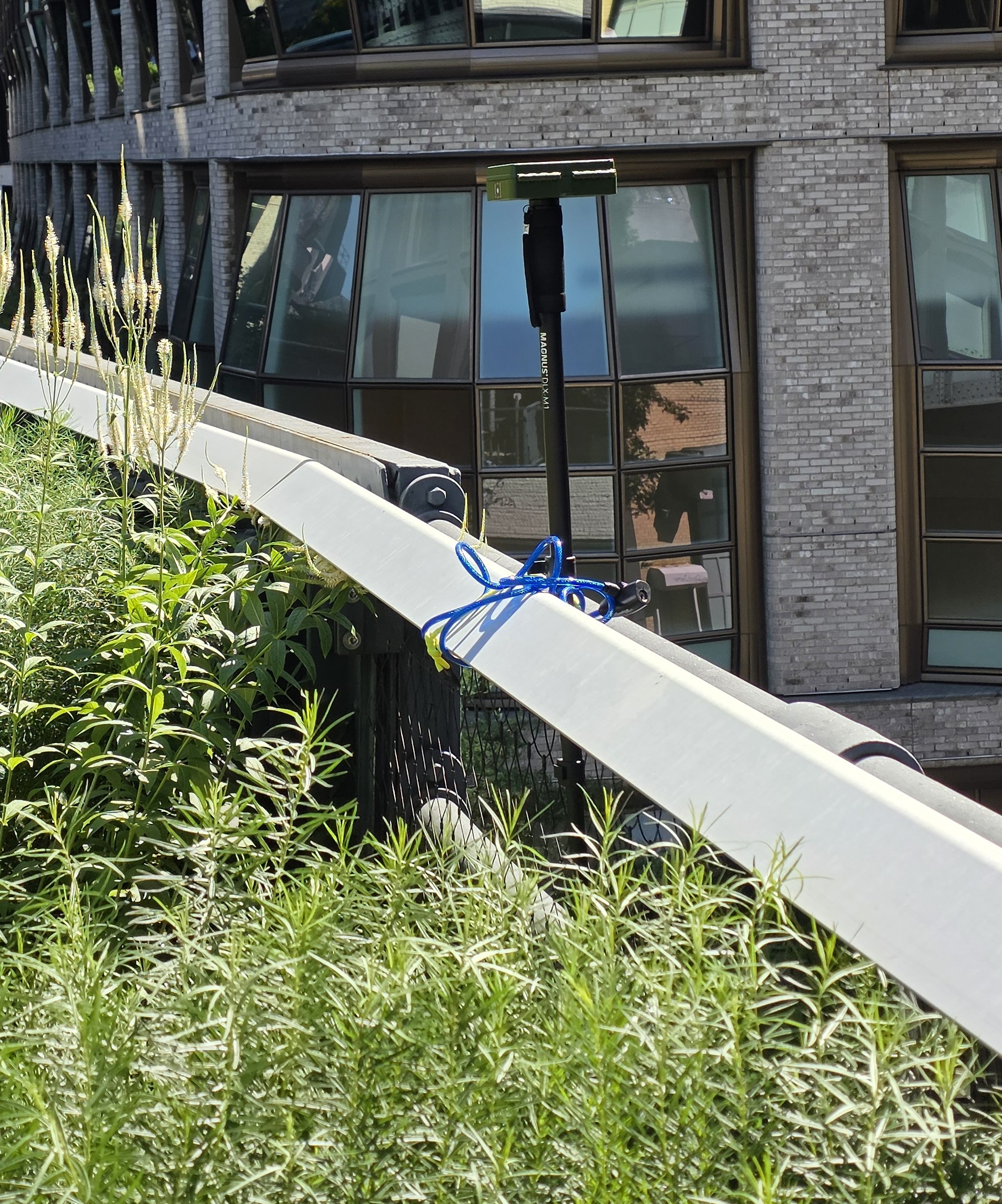
We use a smaller detector on the High Line (pictured above) that features a locking clam-shell case. It naturally invites comparison to any envelope-shaped food, of which there are many to choose from in New York City. In addition to Knish and Pierogi, the High Line is also monitored by our other mini detectors, Ravioli and Dumpling.
Our Partners: the High Line Emerging Leaders Program
The Emerging Leaders Program is a fellowship offered by the High Line to local high school students. It offers early career learning opportunities in public engagement, horticulture, and ecology. The 2026 Emerging Leaders fellow have been a crucial part of collecting the data displayed above. A group meets with our principal ecologist, Nic, every week to keep the detectors working and moving along the park. Special thanks to the “bat captain”, Jiaxiang Zhang.